
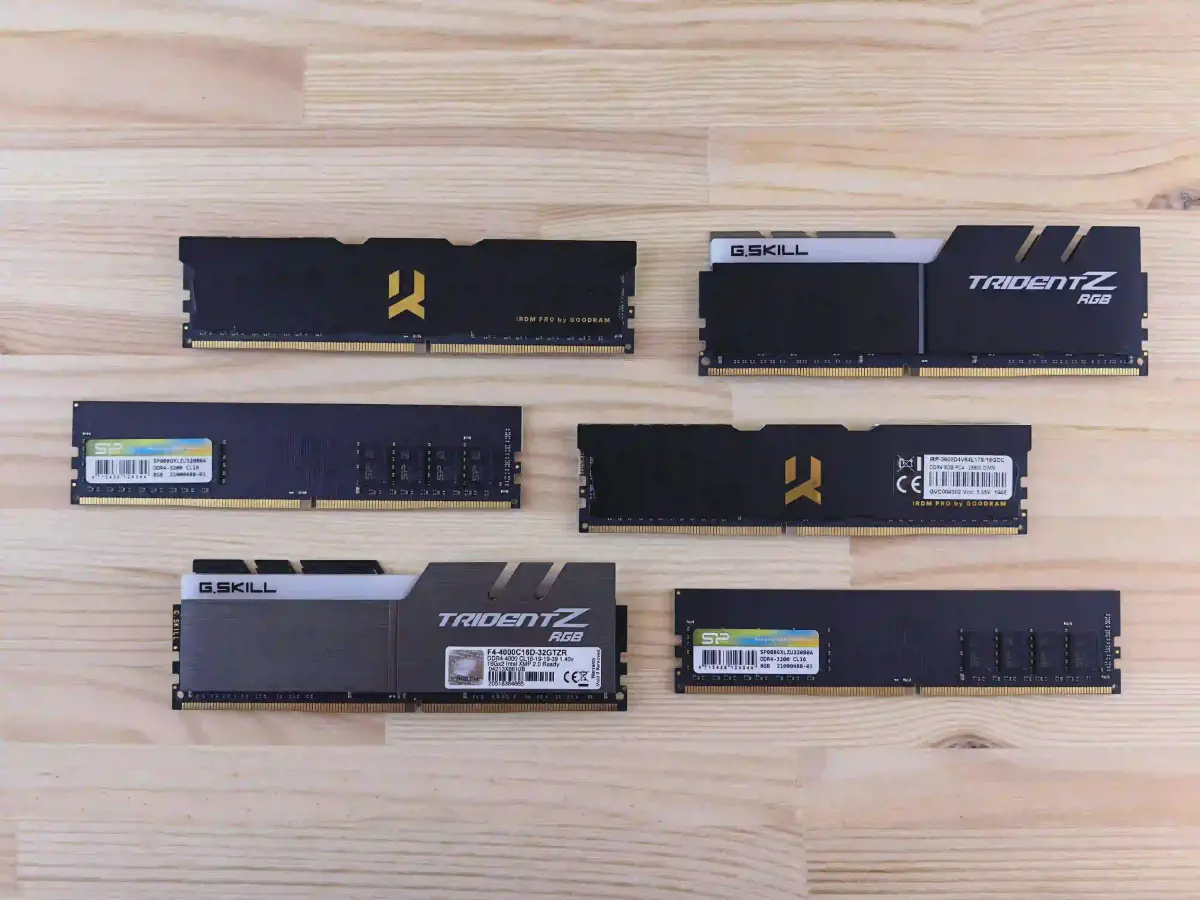
If you’re trying to build a PC or upgrade your laptop right now, the prices look like a mistake. They aren’t. We are currently living through a “Memory Supercycle” where the average consumer is being squeezed out by AI giants.
How did it happen? #
Micron, along with other major manufacturers like Samsung and SK Hynix, controls over 90% of the global DRAM market and significantly influenced the rise in RAM and SSD prices through strategic production shifts and direct price. After a period of oversupply in 2023, these companies began strictly limiting production to keep supply low and prices high. While no single company is solely responsible, Micron’s decisions have played a major role in making consumer memory more expensive.
In December 2025, Micron announced it would discontinue its Crucial brand, its primary consumer-facing line for RAM and SSDs. This move removes a major budget-friendly competitor from the retail market, reducing overall supply for individual PC builders and leading to higher prices.
Micron is shifting its production capacity away from consumer-grade products to focus on High Bandwidth Memory (HBM) and enterprise-grade SSDs for AI data centers, which offer much higher profit margins.
AI giants #
AI doesn’t just need fast processors, it also needs an extreme type of memory called High-Bandwidth Memory (HBM4):
- HBM4 requires 3-4 more times the silicon wafer capacity of the standard DDR5 RAM used in your computer.
- Manufacturers like Samsung and SK Hynix have shifted their production lines away from consumer products. In 2026, it is estimated that 70% of all memory chips produced worldwide are being swallowed by AI data centers.
The shortage is not expected to be a short term issue, with analysts warning it could persist into 2027 or even 2028 due to the time needed to build new fabrication facilities. So even if the “AI bubble” is currently showing signs of bursting, the RAM and SSD shortage is expected to persist through at least late 2027. While a drop in AI demand would eventually help, several structural “lag” factors mean consumer prices won’t drop immediately.
Windows 11 update KB5063878 #
A recent Windows 11 update, KB5063878 (released August 2025 for version 24H2), is causing serious storage issues for users. Reports indicate the update can lead to SSDs “vanishing” from systems or suffering permanent hardware failure. While Microsoft and some hardware partners like Phison have officially stated they could not reproduce the issue in their internal testing, they have acknowledged the reports and are investigating.
- Many users have reported that after installing the update, their secondary or even primary boot drives suddenly disappear from File Explorer and BIOS. The issue is most common during heavy data writes (over 50GB) on drives that are more than 60% full.
- This bug occurs most frequently on DRAM-less SSDs and drives using Phison controllers—common components in many Corsair, Gigabyte, and Seagate models. While Microsoft and Phison are investigating, they have struggled to replicate the “permanent bricking” reported by some enthusiasts.
How to protect your data
-
Uninstall the Update: Go to Settings > Windows Update > Update history > Scroll down until you see Uninstall updates > uninstall KB5063878.
-
Pause Updates: Go to Settings > Windows Update > Pause updates for at least 1-2 weeks to prevent a reinstall.
-
Check update: Look for the KB5064081 or newer update, which reportedly contains a patch for these storage stability bugs.
-
Hard Reset: If a drive is missing, a full “cold boot” (unplugging the PC for 30 seconds) may help the BIOS redetect the hardware.
How long will this shortage last? #
If you’re waiting for a “return to normal,” you might want to get comfortable. Unlike past shortages caused by temporary factory fires or shipping delays, the 2026 memory crisis is structural. The industry isn’t just broken, it has been redesigned to favor AI.
Most industry analysts, including those from Gartner and Counterpoint Research, don’t expect any meaningful price relief until at least Q4 2027.
The massive “Silicon Heartland” factories in Ohio and Germany (Intel and TSMC) have faced construction delays. While originally slated for 2025, current projections show them reaching “operational status” somewhere between late 2027 and 2028.
Even as production increases, the demand for HBM4 (AI memory) is expected to triple through 2026. Until the supply of AI chips finally catches up to the demand from tech giants, consumer silicon will remain a secondary priority.